When it comes to storing your vinyl records, picking the right space is key. You want to keep them safe and protected from damage while ensuring they are easily accessible. Let’s dive into what to consider when you set out to store vinyl records properly.
First, think about the climate. Records can warp or get damaged in extreme heat or humidity. Aim for a cool, dry place with a stable temperature. A room that's too damp or too dry can also cause issues. A simple rule of thumb is to keep your records away from direct sunlight and heat sources like radiators or electronic devices.
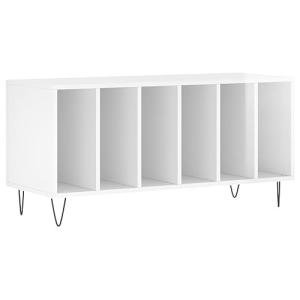
Next, consider the positioning of your records. It’s generally best to store vinyl records upright, just like you’d find them in a record store. This helps prevent warping and bending. Make sure they’re not crammed together so they can slide in and out easily without risk of scratching. Use sturdy shelves or specialized record storage boxes to keep them organized.
Don’t forget about protection! Invest in quality inner and outer sleeves to guard your precious records from dust and scratches. This little extra step makes a huge difference in keeping your collection in top shape. Remember, each record tells a story, so keeping it safe helps preserve that tale for years to come!
Keep Records Vertical for Best Protection
When it comes to how to store vinyl records, one of the most important tips is to keep your records vertical. Storing them upright is crucial for their protection and longevity. Just like books on a shelf, having them standing tall prevents warping and bending, which can happen if they’re stacked on top of each other.
Imagine trying to pull out a record from the bottom of a pile – it’s not just tricky, but it can lead to damage. Keeping your records vertical makes it easy to flip through your collection without the risk of scratching or cracking your prized albums. Plus, you can easily see your album covers, making it much more enjoyable to browse through your favorites.
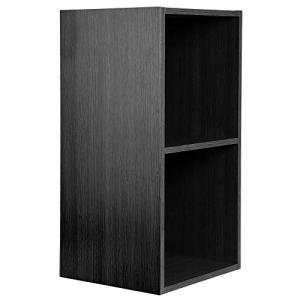
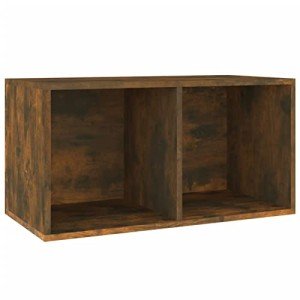
When you store vinyl records, consider investing in some sturdy record crates or shelves that are specifically designed to hold them. These not only look great in your space but also provide the perfect amount of support to keep your records safe. You want to ensure that they fit snugly without being crammed in, as that can lead to unnecessary stress on the vinyl itself.
As a bonus tip, keep your records away from direct sunlight or areas with fluctuating temperatures. Pairing vertical storage with a cool, dry environment will guarantee that your collection remains in top-notch condition. With these simple steps, you'll be well on your way to preserving your vinyl records for many years of listening pleasure.
Use Quality Sleeves to Prevent Damage
When you want to store vinyl records safely, using quality sleeves is a must. Think of sleeves as the protective shield that keeps your beloved records safe from dust, scratches, and other damage. A good sleeve does more than just look nice; it plays a key role in preserving sound quality and lifespan.
There are a few options when it comes to vinyl sleeves:
When you store vinyl records, be sure to invest in a quality sleeve. It’s a small expense that pays off big in the long run. Not only do they protect your records, but they also make it easier to pull them out of storage without worry. No one wants to see their favorite album get damaged just because it was left out in the open or mishandled.
Remember, proper care goes a long way. So when you’re ready to store vinyl records, make sure you have those quality sleeves on hand. Your records will thank you later!
Control Humidity and Temperature Levels
When it comes to preserving your vinyl records, controlling humidity and temperature levels is key. Extreme conditions can warp your precious albums or damage the delicate grooves. So, creating a stable environment is a must if you want to store vinyl records safely.
The ideal temperature for storing vinyl records is between 65°F and 70°F (18°C to 21°C). Keeping your storage space cool will help maintain the integrity of the records. Avoid places that are too hot, like attics or near heaters, since high heat can cause records to warp over time.
Humidity is another critical factor. Aim for levels between 40% and 50%. High humidity can lead to mold growth, while low humidity can dry out inner sleeves and cause cracking. Using a simple hygrometer can help you keep an eye on the moisture level in your storage area.
By keeping those humidity and temperature levels in check, you’ll not only store vinyl records more effectively but also enjoy your collection for years to come. Finding the right balance is worth the effort for the love of great sound and cherished albums!